7-Wavelength Red Light Therapy: How to Choose the Right Light Mode for Your At-Home Routine
Red light therapy has become a popular part of modern at-home wellness routines. For many people, the appeal is simple: it is non-invasive, easy to use, and can fit naturally into a daily self-care schedule.
But if you are new to light therapy, one common question is:
What is the difference between red light, near-infrared light and the other colour modes?
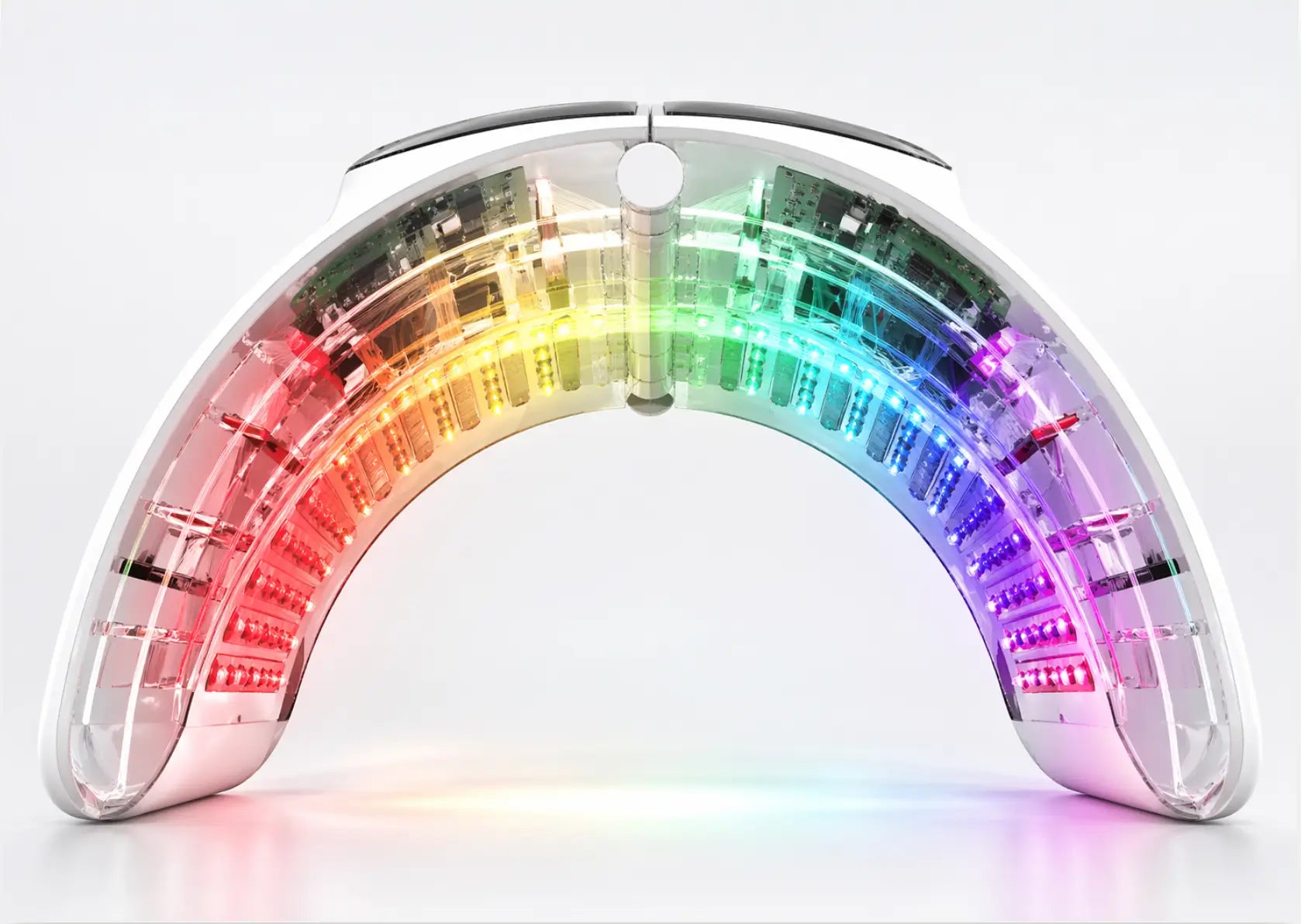
A 7-wavelength red light therapy device gives you more flexibility than a single-mode device. Instead of using one light setting for every routine, you can choose different light modes depending on your skin, body area, timing and personal wellness goals.
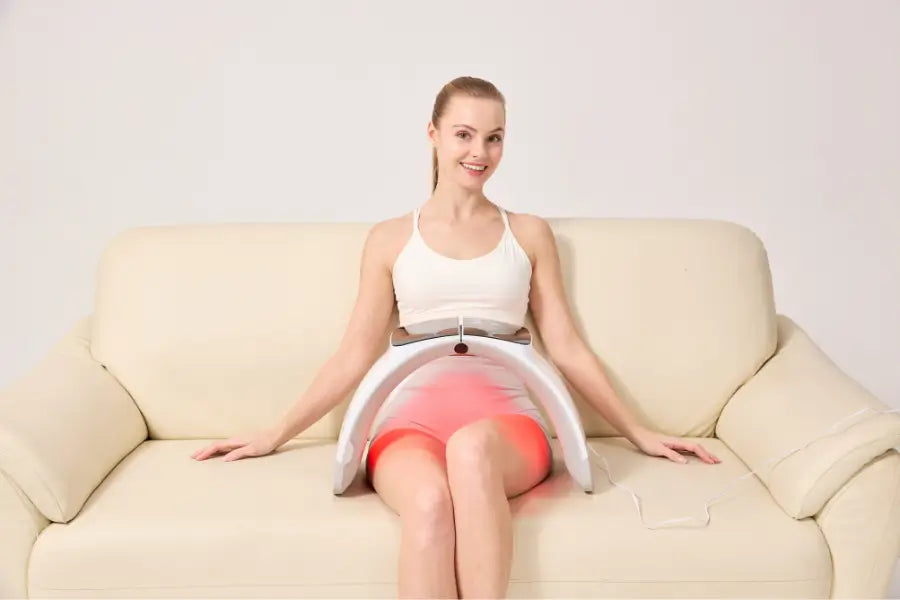
The FriendRedLight 7-Wavelength Red Light Therapy Device 2.0 is designed for at-home use with multiple light modes, a flexible wrap-style design and simple 20–30 minute sessions.
👉 Explore the product here:
https://friendredlight.com/products/friendredlight-7-wavelength-red-light-therapy-device-2-0
What Is 7-Wavelength Red Light Therapy?
7-wavelength red light therapy means the device includes several different LED light modes, usually covering red light, near-infrared light and additional colour light options.
Each wavelength interacts with the skin and body differently. Some modes are more suitable for beauty and skincare routines, while others are better suited for body relaxation, daily comfort and general wellness support.
For home users, the main benefit is personalisation. You can choose a mode that fits your routine instead of using the same light setting every time.
Why Wavelengths Matter
In light therapy, wavelength refers to the type of light being used. It is usually measured in nanometres, written as “nm”.
Different wavelengths may reach different layers of the skin. For example, red light is often used in skincare-focused routines, while near-infrared light is commonly used for deeper body-focused wellness sessions.
This is why many users prefer a multi-wavelength device. It allows one device to support different areas of the body, including the face, neck, shoulders, back, waist, abdomen and legs.
Red Light: For Everyday Skin Appearance
Red light is one of the most recognised wavelengths in LED beauty and wellness routines.
It is often chosen by people who want to support a smoother, fresher and more radiant-looking complexion. Many users include red light in their evening skincare routine because it is simple, gentle and easy to repeat consistently.
Best for:
-
Face and neck routines
-
General skin appearance
-
Evening self-care
-
Radiance-focused skincare
If your main goal is to build a simple beauty routine, red light is usually a good place to start.
Near-Infrared Light: For Body Wellness Routines
Near-infrared light is different from visible red light. It is usually less visible to the eye, but it is an important part of many red light therapy devices.
Near-infrared light is commonly used for body-focused routines, especially on larger areas such as the back, shoulders, waist and legs.
Best for:
-
Body relaxation
-
Post-work wind-down routines
-
Shoulders, back and legs
-
Deeper-feeling light sessions
For users who want more than a facial skincare device, near-infrared light is one of the most important features to look for.
Blue Light: For Skin Clarity Routines
Blue light is often used in beauty devices for people who want to support a clearer-looking complexion.
It can be used as part of a balanced skincare routine, especially for users who are focused on skin freshness and daily maintenance.
Best for:
-
Skin clarity routines
-
Oily-looking skin care routines
-
Occasional beauty sessions
-
Combination skincare schedules
Blue light should be used carefully and according to the device instructions, especially when used near the face.
Green Light: For Balanced-Looking Skin
Green light is often associated with complexion balance and gentle skincare routines.
Many people choose green light when they want a softer session that feels less intense than red or blue light. It can be useful as part of a rotating weekly routine.
Best for:
-
Balanced-looking skin
-
Gentle skincare routines
-
Relaxing facial sessions
-
Weekly light mode rotation
Green light is a good option for users who want a calm and simple self-care experience.
Yellow Light: For Gentle Comfort
Yellow light is commonly used in beauty routines focused on comfort and relaxation.
It is a softer light mode that can fit well into an evening routine, especially when you want a gentle session before rest.
Best for:
-
Evening self-care
-
Relaxation routines
-
Gentle beauty sessions
-
Light therapy beginners
If you are new to at-home light therapy, yellow light can be a comfortable mode to include in your weekly schedule.
Orange Light: For a Fresh Glow
Orange light is often used in beauty routines focused on glow and refreshed-looking skin.
It can be a good option when your skin looks dull or tired and you want a simple light session before applying skincare products.
Best for:
-
Glow-focused routines
-
Dull-looking skin
-
Morning or evening beauty sessions
-
Skin refresh routines
Orange light can work well as part of a rotating routine with red and yellow light.
Purple Light: For a Combined Beauty Routine
Purple light is often used as a combination-style beauty mode.
It can be helpful for users who want a more balanced routine instead of focusing on only one colour mode.
Best for:
-
General skin maintenance
-
Combination skincare routines
-
Weekly light mode rotation
-
Beauty-focused sessions
Purple light is a useful mode when you want variety in your routine.
How to Use a 7-Wavelength Red Light Therapy Device at Home
A good light therapy routine does not need to be complicated. The most important factor is consistency.
For beginners, start slowly and follow the product instructions. A simple routine could look like this:
For facial routines:
Use red light or a gentle colour mode for 10–20 minutes, several times per week.
For body routines:
Use red light and near-infrared light on areas such as the back, shoulders, waist or legs for around 20–30 minutes.
For relaxation:
Use softer modes such as yellow, green or orange light in the evening.
For a weekly routine:
Rotate different modes depending on your needs instead of using the same mode every day.
The FriendRedLight 7-Wavelength Red Light Therapy Device 2.0 is designed for simple at-home sessions, making it easier to build light therapy into your everyday wellness routine.
👉 View the FriendRedLight 7-Wavelength Device 2.0:
https://friendredlight.com/products/friendredlight-7-wavelength-red-light-therapy-device-2-0
Why Choose a Flexible Red Light Therapy Device?
Many red light therapy products are designed for only one use case. Some are only for the face. Some are rigid panels. Some are difficult to position on different body areas.
A flexible red light therapy device gives you more freedom.
The FriendRedLight 7-Wavelength Device 2.0 can be used across different areas of the body, including the face, neck, shoulders, back, waist, abdomen and legs. Its flexible design makes it easier to fit into real home routines, whether you are sitting, lying down or relaxing after a long day.
This is especially useful for people who want one device for both skincare and body wellness routines.
What to Look for in an At-Home Red Light Therapy Device
Before choosing a red light therapy device, consider these key points:
1. Multiple wavelengths
A multi-wavelength device gives you more options for different routines.
2. Red and near-infrared light
These are two of the most important light types for beauty and body-focused wellness routines.
3. Comfortable design
A flexible design makes it easier to use on different body areas.
4. Simple session timing
A device that fits into a 20–30 minute routine is easier to use consistently.
5. Clear usage instructions
Always choose a device with simple guidance and use it as directed.
Is Red Light Therapy Suitable for Everyone?
Red light therapy is generally considered a gentle and non-invasive wellness technology when used correctly. However, users should still follow safety guidance.
Avoid looking directly into bright LEDs. Use eye protection when needed, especially during facial sessions. Do not overuse the device, and always follow the recommended session time.
If you are pregnant, have a diagnosed skin condition, use medication that increases light sensitivity, or have any medical concerns, speak with a healthcare professional before using any light therapy device.
Final Thoughts
A 7-wavelength red light therapy device is a practical choice for people who want more flexibility from their at-home wellness routine.
Red light can support beauty and skin appearance routines. Near-infrared light is useful for body-focused sessions. Additional colour modes give you more ways to personalise your routine depending on your mood, timing and daily needs.
If you are looking for one flexible device for face, body and everyday self-care, the FriendRedLight 7-Wavelength Red Light Therapy Device 2.0 is designed to help you build a simple and consistent light therapy routine at home.
👉 Shop the FriendRedLight 7-Wavelength Red Light Therapy Device 2.0:
https://friendredlight.com/products/friendredlight-7-wavelength-red-light-therapy-device-2-0
Disclaimer: This product is designed for general beauty and wellness routines. It is not intended to diagnose, treat, cure or prevent any disease. Individual results may vary.